
Choosing the right plastic manufacturing process is one of the most important decisions during product development. While both injection molded parts and thermoformed products serve a wide range of industries, they are designed for different applications. Selecting the wrong process can increase production costs, delay manufacturing, or result in packaging that doesn't meet performance expectations.
For manufacturers in Ghaziabad and across Uttar Pradesh, understanding the strengths of each method helps ensure better product quality and long-term efficiency. Trade Linkers works with businesses across sectors to recommend plastic manufacturing solutions based on actual product requirements rather than a one-size-fits-all approach.
If you're comparing these two manufacturing methods, here's a practical breakdown to help you make an informed decision.
Understanding the Two Manufacturing Processes
Although both processes involve shaping plastic, they differ significantly in how the final product is created.
Injection molding involves injecting molten plastic into a precision-engineered mold under high pressure. After cooling, the finished component is ejected with highly accurate dimensions.
Thermoforming, on the other hand, heats a plastic sheet until it becomes flexible. The sheet is then formed over a mold using vacuum or pressure before being trimmed into its final shape.
Because the production methods differ, each process offers unique advantages depending on the application.
When Injection Molding Is the Better Choice
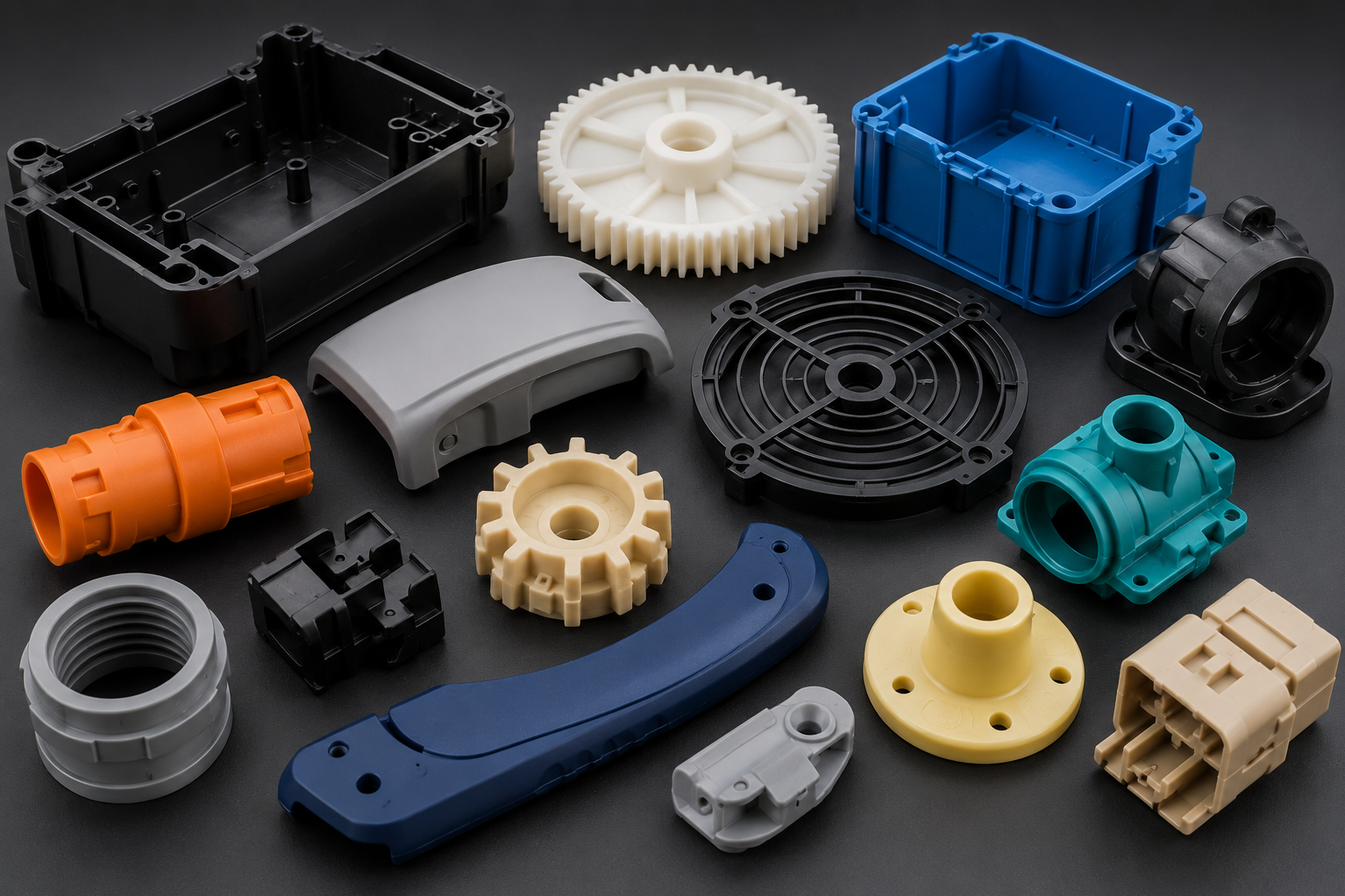
Injection molding is typically preferred for products that require precision, durability, and complex geometries.
It is commonly used for:
- Automotive components
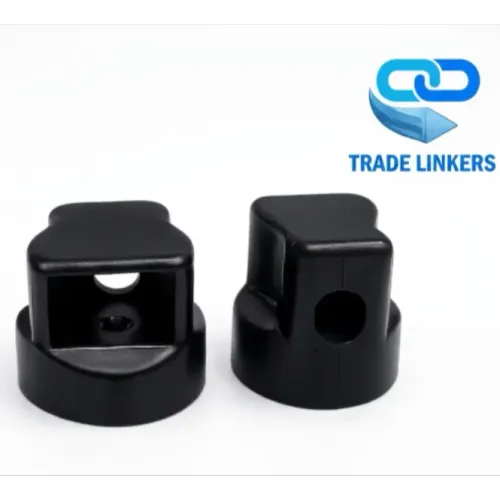
- Electrical housings
- Medical device parts
- Plastic fittings
- Consumer product components
- Industrial machine parts
This process is ideal when businesses require thousands of identical parts with tight dimensional tolerances.
Key Advantages
- Excellent dimensional accuracy
- Strong and durable finished products
- Suitable for intricate designs
- High-speed production for large quantities
- Minimal variation between production batches
The initial tooling investment may be higher, but it becomes highly cost-effective for large-scale manufacturing.
Where Thermoforming Excels
Thermoforming is best suited for products that require lightweight plastic shapes rather than highly engineered components.
Typical applications include:
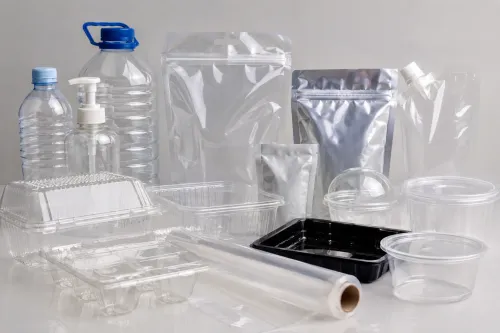
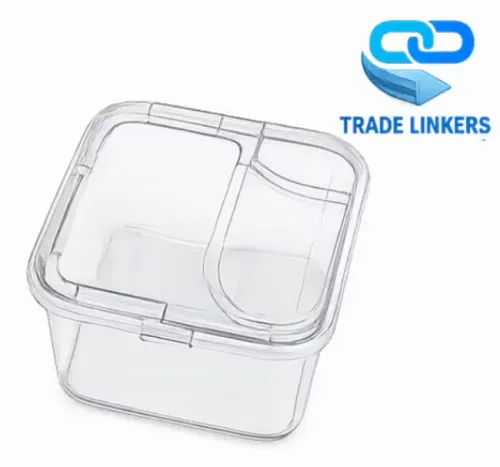
- Food packaging trays
- Blister packaging
- Cosmetic inserts
- Electronics packaging
- Medical trays
- Industrial packaging
Because molds are generally less expensive, thermoforming is often a practical choice for low- to medium-volume production or products requiring frequent design updates.
Major Benefits
- Lower tooling costs
- Faster prototype development
- Flexible design modifications
- Efficient production for larger packaging items
- Suitable for custom packaging projects
For businesses launching new products, thermoforming often allows quicker market entry.
A Quick Comparison
If you're deciding between the two manufacturing methods, here's a simple comparison:
- Best Use: Injection molding is ideal for precision plastic components, while thermoforming is better suited for trays, containers, and protective packaging.
- Tooling Investment: Injection molding generally requires a higher initial tooling cost, whereas thermoforming uses comparatively economical tooling.
- Production Volume: Injection molding delivers excellent value for high-volume manufacturing, while thermoforming is well suited for low- to medium-volume production and custom projects.
- Design Complexity: Injection molding can produce intricate, highly detailed components. Thermoforming works best for simpler shapes and packaging applications.
- Material Utilization: Injection molding generates minimal material waste, while thermoforming may involve some trimming during the finishing process.
- Design Flexibility: Making design changes is typically faster and more cost-effective with thermoforming than with injection molding.
Neither process is universally better—the right choice depends on your product, production goals, and budget.
Questions to Ask Before Choosing
Before selecting a manufacturing process, consider the following:
- Will the part be structural or protective?
- How many units will be produced annually?
- Does the design require intricate details?
- Is packaging presentation important?
- Will future design modifications be necessary?
- What is the available tooling budget?
Answering these questions helps narrow down the most suitable manufacturing option.
Common Mistakes Businesses Make
Companies sometimes choose a process based solely on initial cost rather than overall project requirements.
Some common errors include:
- Using thermoforming for precision engineering parts
- Selecting injection molding for short-run packaging projects
- Ignoring tooling costs during budgeting
- Overlooking production scalability
- Focusing only on unit price instead of total lifecycle cost
A careful evaluation at the beginning can prevent expensive production changes later.
Making the Right Choice for Your Business
Both injection molding and thermoforming continue to play vital roles in modern manufacturing. The decision isn't about which technology is superior—it's about which one aligns with your product objectives.
For manufacturers in Ghaziabad and the wider Uttar Pradesh region, working with an experienced plastic manufacturing partner can simplify this decision. Companies like Trade Linkers assess product design, application, production volume, and material requirements before recommending the most appropriate solution.
Whether you're developing precision plastic components or customized packaging, choosing the right manufacturing process from the outset can improve product performance, reduce production costs, and support smoother business growth.