

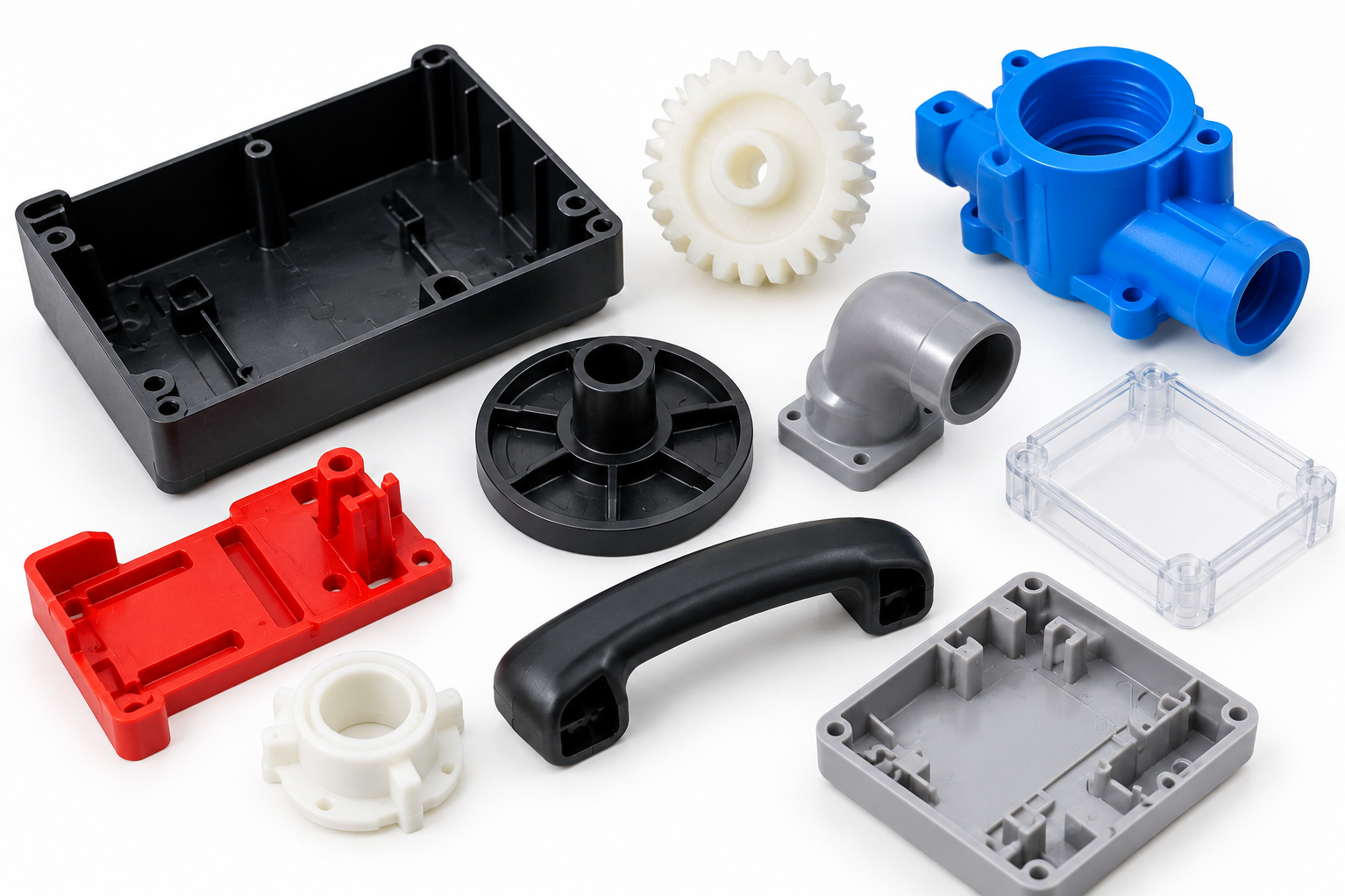
Plastic components used in machines, appliances, medical products and industrial assemblies often require tight dimensional accuracy. Even a small variation can affect fitting, movement or product performance.
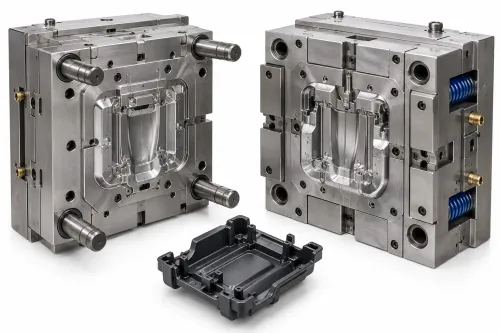
Precision plastic injection molding services use controlled tooling and processing conditions to manufacture repeatable components at scale. Molten plastic is injected into a mould, cooled and released as a finished part. The process may appear straightforward, but component quality depends on several factors.
These include:
- Mould accuracy
- Polymer selection
- Injection pressure
- Cooling time
- Wall thickness
- Shrinkage allowance
- Quality inspection
Design also plays a major role. Uneven walls, sharp corners and poorly positioned gates can cause warping, sink marks or incomplete filling. Reviewing the design before tool manufacturing can prevent expensive corrections.
For OEMs and industrial buyers in Trade Linkers, Ghaziabad, precision molding is particularly useful when parts must integrate with existing assemblies. Buyers should provide drawings, tolerance requirements, material preferences and expected quantities before requesting a quotation.
A well-planned injection molding process provides more than consistent appearance. It supports reliable assembly, predictable production and lower rejection rates across repeated manufacturing batches.