

Food packaging does much more than hold a product. It helps preserve freshness, prevents contamination, extends shelf life, and gives consumers confidence in the safety of what they purchase. As food safety regulations become stricter and customer expectations continue to rise, choosing the right food grade plastic packaging has become an important business decision rather than a simple purchasing task.
Trade Linkers works with food manufacturers, processors, and packaging buyers looking for reliable plastic packaging solutions that meet industry requirements. Businesses across Ghaziabad and Uttar Pradesh are increasingly investing in high-quality food-grade packaging to maintain product quality throughout storage, transportation, and retail display.
Unlike ordinary plastic materials, food-grade plastics are manufactured using approved raw materials that are suitable for direct contact with food products. They are designed to minimize contamination risks while maintaining the integrity of the packaged product.
What Makes Plastic Packaging Food Grade?
Many people assume that every plastic container is safe for food, but that isn't always the case. Food-grade packaging must meet specific quality and safety standards depending on its intended use.
A good food-grade packaging solution typically offers:
- Non-toxic material composition
- Resistance to moisture and contaminants
- Odor-free and taste-neutral properties
- Good structural strength
- Hygienic manufacturing conditions
- Compatibility with different food products
- Reliable sealing performance
These characteristics help maintain food quality from the production facility to the consumer's table.
Industries That Depend on Food Grade Plastic Packaging
Food-grade plastic packaging is used across a wide variety of businesses because every product has unique storage and transportation needs.
Common applications include:
- Bakery products
- Dairy items
- Fresh fruits and vegetables
- Frozen foods
- Ready-to-eat meals
- Sweets and confectionery
- Dry snacks
- Meat and poultry products
- Beverage packaging
Each application requires packaging designed around factors such as temperature, shelf life, moisture resistance, and product presentation.
Why Packaging Quality Directly Affects Business Performance
Poor packaging can lead to damaged products, spoilage, customer complaints, and unnecessary financial losses. Investing in the right packaging helps businesses reduce these risks while improving operational efficiency.
Some of the biggest advantages include:
Better Product Protection
Proper packaging acts as a barrier against dust, moisture, bacteria, and physical damage during transportation.
Longer Shelf Life
Suitable plastic materials help preserve freshness by limiting exposure to air and environmental conditions.
Improved Product Presentation
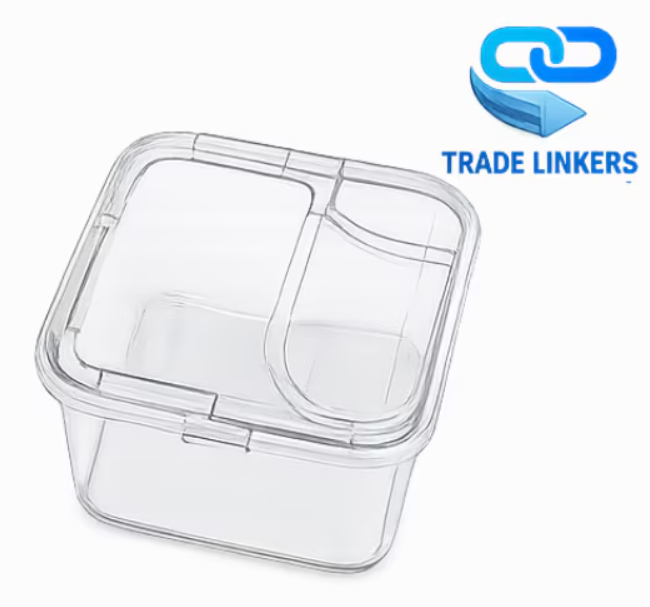
Clean, transparent, and well-designed packaging enhances product visibility, making it more attractive on retail shelves.
Easier Transportation
Lightweight yet durable packaging simplifies handling and reduces transportation costs without compromising product safety.
Greater Consumer Confidence
Customers are more likely to trust products packaged in hygienic, professionally manufactured containers that demonstrate a commitment to food safety.
Questions Buyers Should Ask Before Choosing a Packaging Manufacturer
Selecting a supplier involves more than comparing prices. Businesses should evaluate whether the manufacturer can consistently meet quality expectations.
Consider asking:
- Are the raw materials suitable for food-contact applications?
- Can the packaging be customized for specific product sizes?
- Is the packaging suitable for refrigeration or freezing if required?
- What quality control procedures are followed during production?
- Can production volumes increase as business demand grows?
Clear answers to these questions often indicate a manufacturer's ability to deliver reliable long-term solutions.
Common Mistakes That Can Affect Food Safety
Some businesses unintentionally compromise product quality by overlooking important packaging considerations.
These mistakes include:
- Choosing packaging based only on cost
- Using materials unsuitable for specific food products
- Ignoring storage temperature requirements
- Selecting packaging with poor sealing performance
- Overlooking transportation conditions
- Failing to evaluate packaging durability before bulk orders
Avoiding these issues can reduce product wastage and improve customer satisfaction.
Packaging Trends Shaping the Food Industry
Modern food businesses are looking beyond basic functionality. Today's packaging solutions are expected to support branding, sustainability, operational efficiency, and product protection simultaneously.
Manufacturers are increasingly adopting lightweight designs, customized trays, improved barrier properties, and application-specific packaging that aligns with changing consumer expectations and industry standards.
For food manufacturers operating in Ghaziabad and throughout Uttar Pradesh, working with an experienced packaging company can simplify this process. Companies like Trade Linkers help businesses develop food-grade plastic packaging that balances safety, performance, and production efficiency while meeting the practical demands of today's food industry.
Choosing the right food-grade plastic packaging is ultimately an investment in product quality, brand reputation, and customer trust. When packaging is designed with both safety and functionality in mind, businesses are better positioned to deliver products that reach consumers in the same condition they left the production line.